Guide
Why is my dog suddenly drinking a lot of water and peeing more?
The everyday reasons a dog drinks more, the illnesses vets check for, how to measure it at home, which signs mean call the vet today, and what to do if your dog is already diabetic.
Sunny, owner“I wish my dog lived as long as I do.”Updated

I'm an owner, not a vet. This is not veterinary advice, so check anything medical with your own vet.
Key facts
- Hot weather, more exercise, a drier or saltier food and some medicines can all make a dog drink more for a while.
- If your dog keeps drinking and peeing more for more than a few days, see your vet. Diabetes, kidney disease, Cushing's disease, a urine infection and a womb infection in unspayed females are common causes.
- Never take water away to stop the peeing. A thirsty dog may need that water, and cutting it back can make him dangerously dehydrated.
- Call your vet today if the extra drinking comes with vomiting, not eating, weakness, collapse, fast breathing, or discharge from an unspayed female.
- Measure it before the visit: fill the bowl from the same jug, count the refills, and note pees, accidents and night trips.
- If your dog is already diabetic and drinking more again, tell your vet. Don't change the insulin yourself.
I never give insulin amounts here. Yours comes from your vet's written plan.
Is it really more than usual?
Every dog drinks a different amount, so the thing to watch is a change for your dog. Signs you might notice: the bowl empties sooner, he drinks from the toilet, taps or puddles, he asks to go out more, the pees seem longer or the puddles bigger, or he has accidents in the house when he never used to.
Some reasons are harmless and short-lived. Dogs drink more in hot weather and after a lot of exercise or play. A switch to dry kibble or saltier food or treats can do it too, and puppies drink and pee often. Some medicines, steroids in particular, make dogs thirsty, so if your dog started something new recently, mention it to your vet.
If the extra drinking carries on for more than a few days with no obvious reason, or it comes with other changes like weight loss or a different appetite, it's time for a vet visit.
How to measure it at home
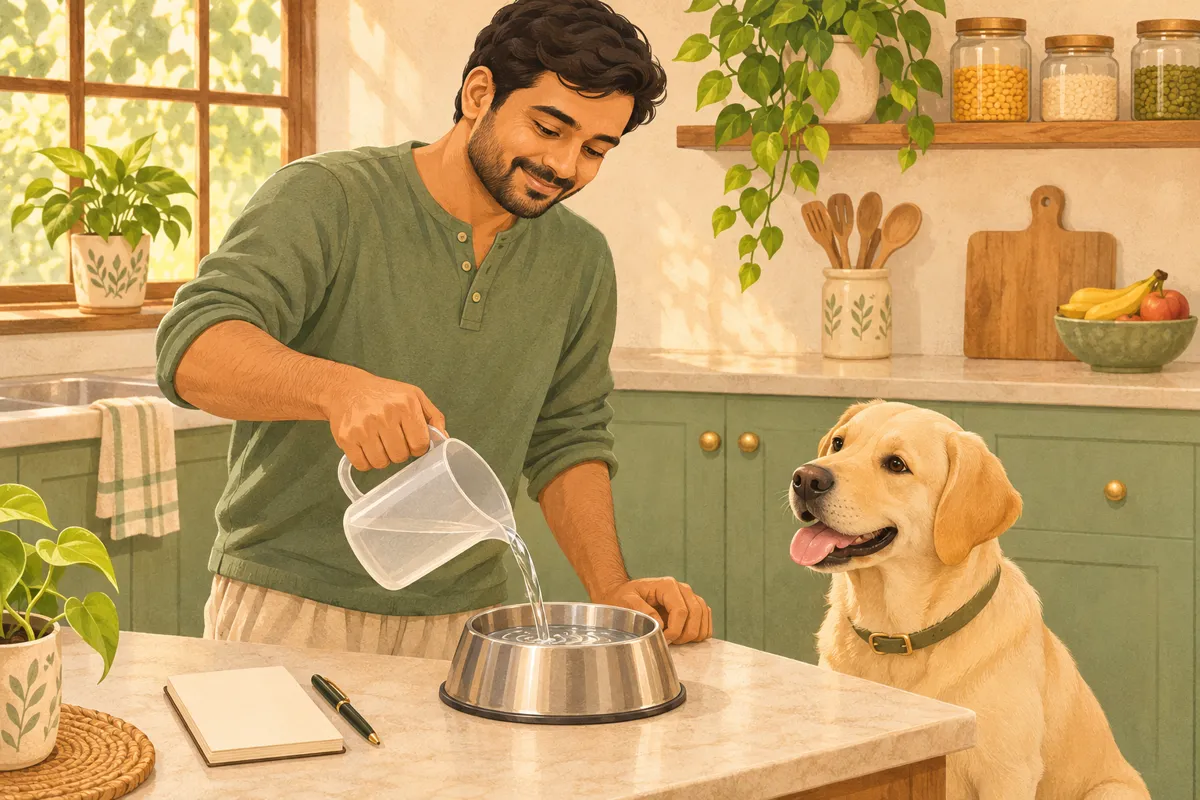
"He drinks a lot" is hard for a vet to judge, so give them something concrete. For two or three days, fill the bowl from the same jug each time, to the same level, and write down how many times you refill it. If you have more than one dog, note who you see drinking, or ask your vet how best to track one dog.
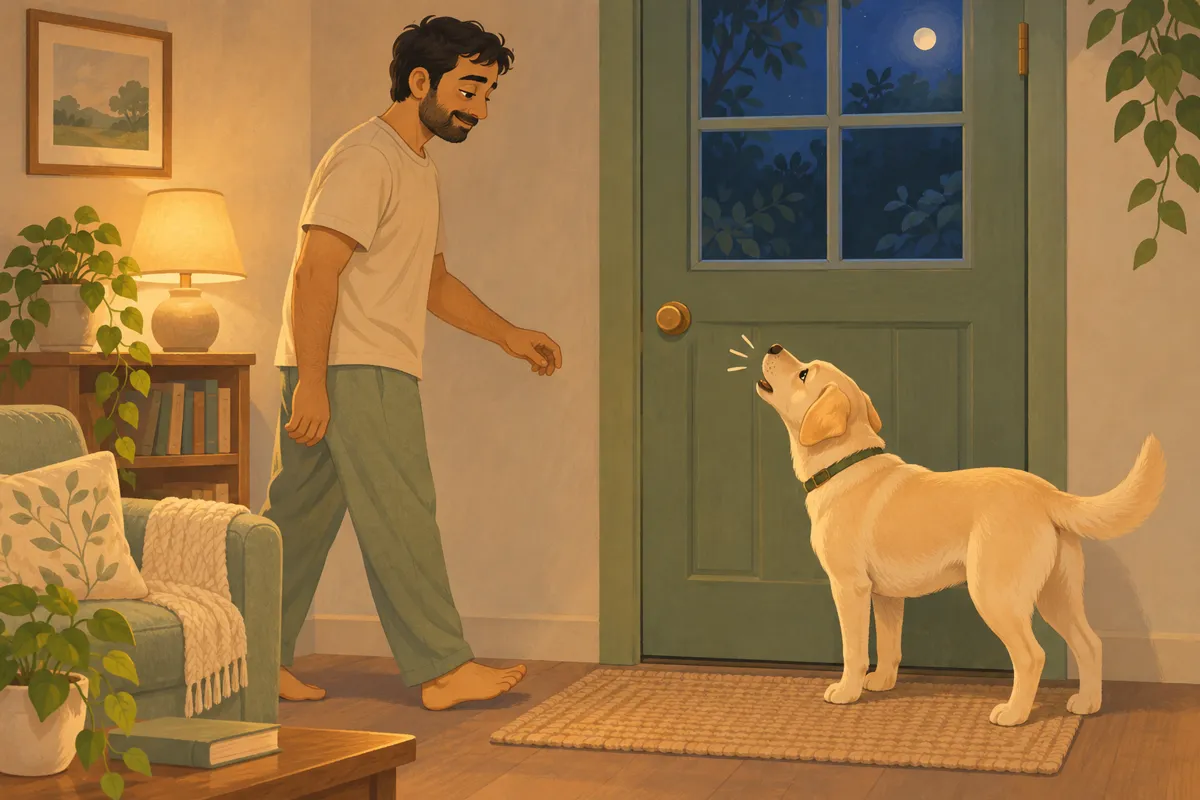
Write down roughly when your dog goes out to pee, whether the pees are longer or the puddles bigger, any accidents in the house, and whether he wakes you at night to go out. Note his appetite and whether he seems to be losing weight too.
Your vet may ask for a fresh urine sample, ideally the first pee of the morning, caught in a clean container. Ask the clinic how they want it collected and how soon to bring it in.
While you wait for the appointment, leave fresh water out all the time. Don't cut it back to stop the accidents: a dog who is losing a lot of water in his urine needs to drink to replace it. Signs of dehydration in a diabetic dog lists what to watch for.
The illnesses vets check for
Drinking and peeing more is a sign, not a diagnosis, and it has many possible causes. These are the ones vets most often look for:
Diabetes: the dog drinks and pees much more, is often hungrier, and loses weight anyway. Signs of diabetes in dogs covers this in detail, including what the vet tests.
Kidney disease: often in older dogs, sometimes with a poorer appetite, weight loss or vomiting. Cushing's disease, where the body makes too much of the stress hormone cortisol: thirst and peeing often come with a big appetite, a pot belly, thinning coat and heavy panting. A urine infection: frequent small pees, straining, accidents, or urine that smells strong or looks bloody. Could a urine infection be part of this? explains more.
In a female dog who hasn't been spayed, a womb infection called pyometra can cause heavy drinking, often a few weeks after a season, sometimes with discharge, tiredness or vomiting. It can become life-threatening quickly, so call your vet the same day.
Liver disease, high calcium levels and the rare diabetes insipidus can cause it too. Only tests can tell these apart, so please don't try to guess at home.
When to call the vet today
Call your vet today, or an emergency clinic if yours is closed, if the extra drinking and peeing come with vomiting, not eating, weakness, wobbliness or collapse, being very flat or quiet, fast breathing, breath that smells sweet or like nail-polish remover, blood in the urine or straining without much coming out, or discharge from an unspayed female.
If your dog seems well apart from drinking and peeing more, book a visit within the next few days rather than waiting for the next routine check. The emergency page lists what to tell the vet on the phone and what to take with you.
What the vet will do
Your vet will ask how long it has been going on, how much more your dog is drinking, his appetite and weight, any medicines, and for a female, when she was last in season. This is where your notes help most.
After examining your dog, most vets start with blood tests and a urine test. The blood tests look at blood sugar, the kidneys, the liver and the blood salts; the urine test checks how concentrated the urine is and whether there's sugar, protein or infection in it. Depending on what they find, they may suggest a scan, X-rays or hormone tests for Cushing's disease.
Take your notes, the urine sample if they asked for one, and the names of any medicines or supplements. Ask which results point to a cause and which tests are ruling things out.
If your dog already has diabetes
In a dog who is already on insulin, drinking and peeing more again can mean the blood sugar is running high, or that something else is going on, like a urine infection. It's a reason to call your vet, not to change anything yourself. Why is my diabetic dog drinking so much? explains what your vet will want to know.
Keep giving the insulin exactly as your vet's written plan says, keep water out, and note the drinking and peeing the same way as above so your vet can see the change.
More drinking and peeing for more than a few days needs a vet visit. Measure it with the same jug, note the pees and night trips, keep water out, and call today if your dog is vomiting, won't eat or seems weak.
Sources
- Signs of diabetes in dogsThe diabetes signs in detail, and Cooper's diagnosis
- Why is my diabetic dog drinking so much?Why high blood sugar causes thirst and peeing
- Could a urine infection be part of this?Urine infections and how they show up
- What is diabetes insipidus?A rarer cause of heavy thirst
- Signs of dehydration in a diabetic dogWhy you never take water away
- Urgent help for a diabetic dogWhat to say when you call the vet
- SourcesThe vet and university pages behind this guide
Every outside source I used is listed on the Sources page.
Related
Q&A
Does this mean my dog has diabetes?
Drinking more, peeing more and losing weight mean it's time to see a vet. Only the vet can tell you if it's diabetes.
Q&A
Why is my diabetic dog drinking so much?
Note how much he's drinking compared with a normal week. Your vet will work out why.
Q&A
Could a urine infection be part of this?
Straining, blood, a strong smell or new accidents mean a vet visit. Don't use leftover medicine.
Guide
Signs of diabetes in dogs
The early signs, what the vet tests, and the illnesses that look the same.
Guide
When the day goes wrong: urgent help
The signs that mean you should call your vet straight away.